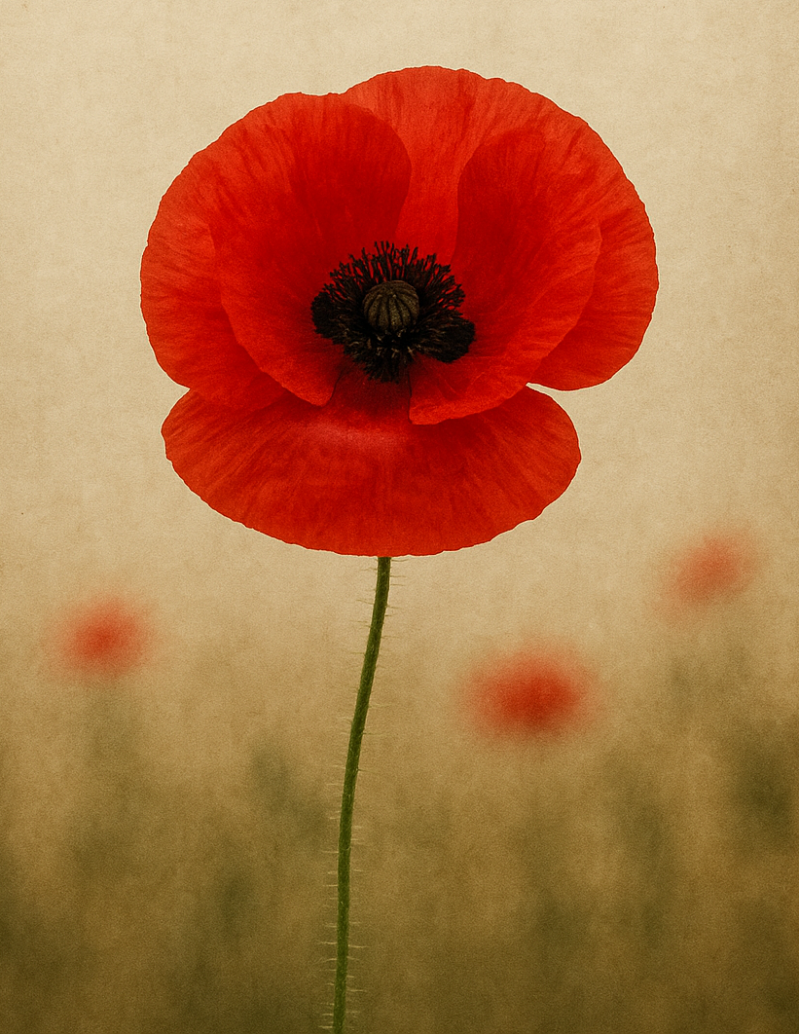
Every November, the nation pauses. We gather in silence, we wear the poppy, and we remember. But remembrance is more than commemoration. It is an act of reflection that connects memory to meaning, and the past to our present wellbeing.
For many who have served, remembrance is personal. It can stir feelings of pride and loss, and memories of comradeship, courage, and trauma. Yet within those memories lies something deeply human: the desire to understand, to make sense of what was endured, and to carry forward what was learned. In that process of reflection, remembrance becomes more than mourning; it becomes healing.
Psychological research helps explain why. Reflection is a form of meaning-making. It allows individuals to integrate difficult experiences into a coherent story of who they are. Theories such as Post-Traumatic Growth show that people can find strength and renewed purpose through reflection on adversity. Narrative Identity Theory reminds us that we are the stories we tell about ourselves. When remembrance allows us to retell those stories with compassion and perspective, it supports wellbeing rather than reopens wounds.
Shared remembrance also nurtures collective wellbeing. Standing together at a memorial, participating in heritage activities, or recording family stories builds connection and belonging, both key elements of psychological wellbeing identified by Carol Ryff. These acts remind us that we are part of a wider continuum of care and sacrifice. They create space for empathy, gratitude, and unity in a world that can often feel divided.
Research from veterans engagement programmes such as Operation Nightingale and Breaking Ground Heritage shows that participating in remembrance through practical heritage work can reduce anxiety and depression, while increasing confidence, purpose, and connection. Veterans have described these experiences as moments of “moral repair” ways of transforming grief into contribution and memory into meaning.
Remembrance, then, is not only about looking back. It is about what we choose to carry forward: compassion, understanding, and the quiet promise to live well in honour of those who could not. Reflecting on the past reminds us that wellbeing is not found in forgetting, but in remembering well, together.
As we pause to remember, we are reminded that remembrance is not confined to a single day. It lives on in the stories we tell, the values we uphold, and the quiet moments when we choose compassion over indifference. We will always remember, and in remembering, we continue to heal.
Add comment
Comments